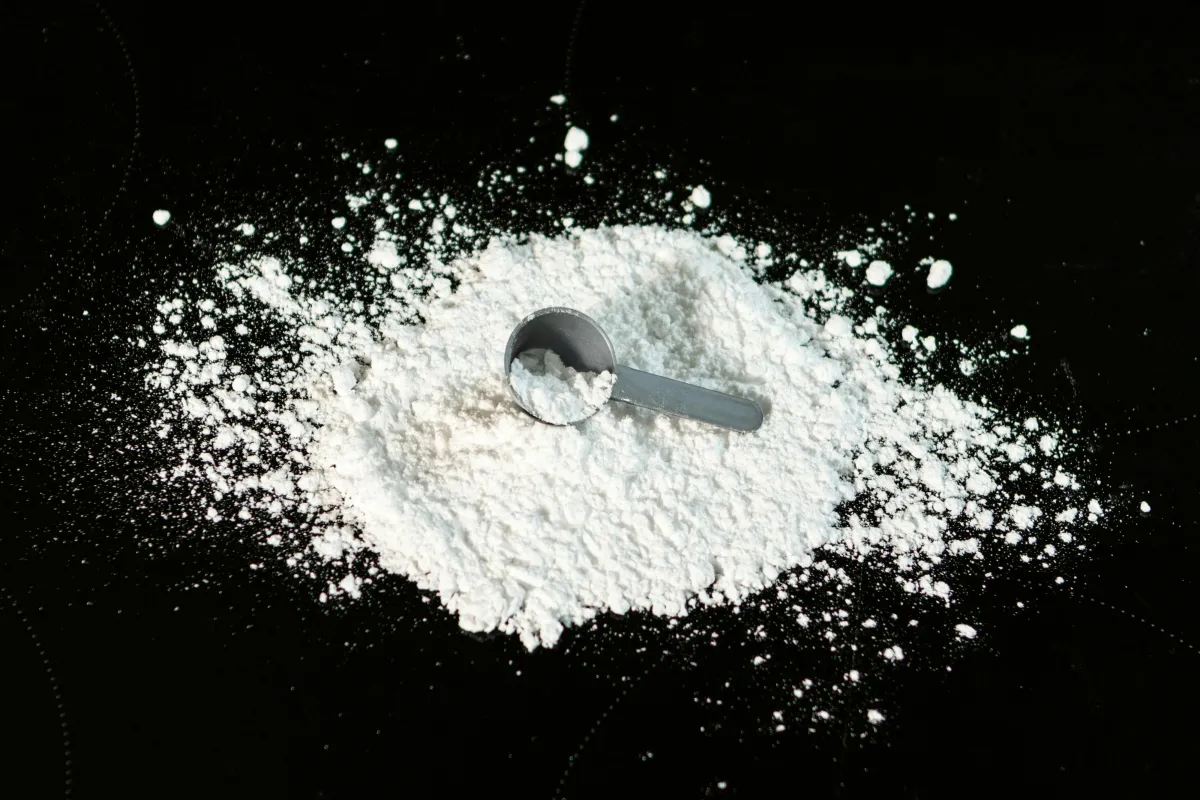
Creatine for Women: Benefits, Safety & Weight Gain
Creatine for Women: Is the Trend Worth It? Benefits, Safety, Weight Gain, and What It Actually Does
Written by Kerri Rachelle, PhD(c), RDN, CSSD, FMP-AC
Founder & CEO, REV0lution | Doctor of Integrative & Natural Medicine Candidate
Quick Answer
Creatine monohydrate can support strength, power and repeated high-intensity performance by helping muscles regenerate ATP. Its greatest value comes when it complements consistent resistance training, adequate protein, sufficient nutrition and appropriate recovery.
Key Takeaways
Creatine helps regenerate ATP during explosive and repeated high-intensity activity.
Creatine monohydrate is the best-established form; most people can use 3–5 grams daily without a loading phase.
Early weight gain usually reflects additional water stored inside muscle rather than increased body fat.
Strength and lean-mass benefits become more meaningful when creatine is paired with resistance training.
Possible benefits for glucose regulation, cognition and women’s health are promising but require more individualized interpretation.
Why Is Creatine Suddenly Everywhere?
Creatine has been used in sports nutrition for decades, but its audience has changed.
It was once marketed primarily to male bodybuilders and power athletes. Women, older adults and people interested in healthy aging are now hearing about creatine for strength, muscle preservation, cognition, metabolic health and menopause.
Some of that attention is justified. Creatine monohydrate is inexpensive, widely available and one of the most consistently effective ergogenic aids for repeated high-intensity performance and resistance training.
The trend has also pushed creatine into gummies, flavored powders, proprietary blends and expensive “women’s” products. A supplement does not become more effective because it has pink packaging, a wellness slogan or an unnecessarily complicated ingredient list.
The useful conversation begins with what creatine actually does, who may benefit and how it fits into a complete nutrition and training plan.
What Is Creatine?
Creatine is a naturally occurring compound made from the amino acids glycine, arginine and methionine. The body produces creatine, and foods such as meat and seafood provide additional amounts.
Most creatine is stored in skeletal muscle as free creatine and phosphocreatine. Smaller amounts are found in the brain and other tissues with high and fluctuating energy demands.
Creatine’s primary job is connected to ATP, the immediate energy used for muscle contraction.
When ATP releases a phosphate to produce energy, it becomes ADP. Phosphocreatine can rapidly donate its phosphate to ADP, rebuilding ATP fast enough to support explosive muscular work.
This makes phosphocreatine especially important during:
Heavy strength-training repetitions
Sprinting
Jumping
Cycling accelerations
Repeated intervals
Explosive changes of direction
Other brief, high-powered efforts
Our article on the ATP-PC, glycolytic and oxidative energy systems explains how phosphocreatine produces immediate power before glycolysis and oxidative metabolism progressively increase their contribution.
How Creatine Improves Performance
Creatine monohydrate supplementation can increase the total amount of creatine and phosphocreatine stored inside muscle.
A larger phosphocreatine reserve can help the muscle regenerate ATP during repeated high-intensity efforts. The practical improvement may be modest during one set or sprint, but small differences matter when they allow someone to complete another repetition, maintain greater power or reduce the decline between repeated efforts.
Over time, that additional high-quality work can create a larger training stimulus.
Creatine is therefore considered an ergogenic aid: something that may improve exercise capacity or performance. Its value comes from supporting the work that produces adaptation.
The most established benefits involve:
Increased strength when combined with resistance training
Better performance during repeated short bursts of intense exercise
Greater training volume in some individuals
Small additional gains in lean mass alongside resistance training
Better maintenance of power across repeated efforts
Creatine’s role is smaller during continuous, lower-intensity endurance exercise. Endurance athletes may still benefit from its support of strength training, sprint finishes, hills, repeated surges and other high-intensity elements of their sport.
Creatine Works Best With Training
Creatine works alongside an appropriate training stimulus.
Someone who strength trains consistently may use the additional ATP-regenerating capacity to complete more productive work. Someone taking creatine without challenging the muscle may retain some additional water inside muscle but receive much less of the strength and body-composition benefit that made the supplement appealing.
This distinction matters because social media increasingly presents creatine as something women should take simply because they are approaching perimenopause or want to prevent aging.
Muscle preservation requires resistance training. It also requires adequate protein, sufficient total energy, sleep and recovery. Creatine may help reinforce that foundation, particularly when it improves the quality or volume of training.
Women looking to preserve muscle and bone during midlife should begin with a structured resistance-training plan. Our article on strength training during perimenopause explains why progressively challenging muscle is central to the process.
Is Creatine Beneficial for Women?
Women may benefit from creatine for the same fundamental reason men do: muscle and brain cells require rapid ATP regeneration.
Creatine deserves additional attention in women because dietary intake, hormone transitions, muscle mass and research representation can all affect how the available evidence should be interpreted.
Women have historically been underrepresented in sports-nutrition research. Studies that include women frequently fail to account for menstrual-cycle phase, hormonal contraceptives, pregnancy history or the menopausal transition. That limits our ability to turn an average result into a universal recommendation.
Across the female lifespan, creatine may be particularly relevant for:
Women participating in resistance training or high-intensity exercise
Athletes completing repeated sprints or power-based activity
Vegetarians and vegans with lower dietary creatine intake
Perimenopausal and postmenopausal women working to preserve muscle
Older women concerned about strength, mobility and independence
Women struggling to maintain training quality during periods of high demand
The strongest practical application remains creatine combined with resistance training. Research into cognition, mood, bone and menopause is expanding, but those areas remain less settled than the performance and strength evidence. A recent women’s-health review also highlights how menstrual and reproductive variables have frequently been overlooked in creatine research. Creatine in women’s health review
Can Creatine Help Build Muscle?
Creatine can help create conditions that support muscle development.
The supplement may allow someone to perform more total work, better maintain load or power and recover phosphagen capacity between repeated efforts. When that increased work is paired with adequate protein and energy, it can contribute to greater strength and lean-mass adaptation over time.
Some early changes in lean body mass also come from water entering the muscle cell. That is different from the longer-term development of new muscle tissue.
The amount of benefit varies. Training experience, age, baseline creatine stores, dietary intake, program quality, dose and consistency all influence the response.
Creatine complements the program. Progressive resistance training creates the primary signal for the muscle to adapt.
Does Creatine Cause Weight Gain or Bloating?
Creatine may increase body weight, particularly during the first days or weeks.
This early change generally reflects increased water stored inside muscle as creatine stores rise. Intramuscular hydration is part of creatine’s normal physiological effect and differs from gaining body fat.
Some people notice very little change on the scale. Others gain one or several pounds, particularly when using a loading protocol.
Taking a large amount at once may also cause temporary gastrointestinal discomfort, loose stools or a bloated feeling. Dividing the dose or beginning with a smaller daily amount can improve tolerance.
Scale weight should therefore be interpreted alongside strength, performance, measurements, body composition, hydration and how the person feels. A small increase caused by better-hydrated muscle should not automatically be treated as an undesirable result.
Creatine, Blood Sugar and Insulin Resistance
Creatine has an interesting potential connection to glucose regulation, but the relationship requires context.
Skeletal muscle is a major destination for glucose. Muscle contraction increases glucose uptake, and greater muscle mass creates more tissue capable of storing glycogen and using glucose.
Creatine may support that system indirectly by improving training quality, strength development and lean mass. Those adaptations can contribute to better glucose regulation over time.
Creatine may also influence glucose-transporter activity when combined with exercise. Small clinical trials and reviews have reported possible improvements in glycemic control, particularly when supplementation accompanies a structured exercise program.
The current evidence base remains limited. Participant populations, doses, training protocols and metabolic conditions differ, and relatively few trials directly evaluate insulin resistance or type 2 diabetes.
That makes creatine a potential exercise-support tool rather than the central treatment for glucose dysregulation. Nutrition, resistance training, aerobic movement, sleep, muscle development and prescribed medical care remain central to improving insulin resistance and metabolic health.
Creatine also cannot compensate for a dietary pattern dominated by refined carbohydrates, artificial sweeteners and ultra-processed products. Its value is greatest when it supports the behaviors already moving metabolic health forward.
Does Creatine Burn Fat?
Creatine’s body-composition role comes primarily through training quality, strength and muscle development.
Greater muscle mass may improve glucose disposal, physical capacity and long-term energy regulation. Better training quality may also increase the amount of meaningful work a person can perform.
Creatine itself should not be presented as a direct fat-burning supplement. Any reduction in body fat is more likely to emerge from the larger combination of resistance training, sufficient protein, appropriate energy intake, sleep, metabolic health and sustainable nutrition.
This distinction will also matter in our upcoming article about cortisol and abdominal fat. Belly-fat accumulation is influenced by more than one hormone or supplement. Sleep, stress, insulin regulation, alcohol, menopause, muscle mass, genetics, medications and total energy balance may all contribute.
What About Creatine and Brain Health?
The brain also uses ATP and contains its own creatine-phosphocreatine system. This has created growing interest in creatine for memory, cognitive performance, mood and neurological health.
Some people may have more room to benefit, particularly when dietary creatine intake is low or when the brain is under greater physiological stress. Sleep deprivation, aging and certain clinical conditions are being explored as potential contexts.
Current findings are encouraging enough to continue the conversation, especially for women and older adults. They are also variable across cognitive outcomes, participant groups and testing methods.
Creatine’s established performance role provides the strongest foundation. Cognitive claims should remain measured until larger and more representative trials clarify who benefits, under which conditions and by how much.
Is Creatine Safe for the Kidneys?
Creatine monohydrate has a strong safety record in healthy adults when used appropriately.
Creatine naturally breaks down into creatinine, a blood marker commonly used to estimate kidney function. Supplementation may raise serum creatinine slightly because more creatine is available to be converted—not because kidney function has necessarily declined.
This can complicate interpretation of creatinine-based estimated glomerular filtration rate. A clinician may consider the full history, repeat testing or another marker such as cystatin C when the result is unclear.
Recent meta-analytic evidence found a small increase in serum creatinine without a significant reduction in measured glomerular filtration rate, supporting the importance of distinguishing creatinine production from kidney damage. Creatine and kidney-function meta-analysis
People with kidney disease, reduced kidney function or medications that affect the kidneys should discuss supplementation with their physician and dietitian. Pregnancy, breastfeeding, liver disease and complex medical conditions also warrant individualized guidance.
Tell the clinician ordering your laboratory testing that you take creatine. That context may materially change how a creatinine result is interpreted.
Does Creatine Cause Hair Loss?
The creatine-and-hair-loss concern comes largely from a small study reporting an increase in dihydrotestosterone, or DHT, after a creatine-loading protocol. The study did not measure hair loss, and its finding has not established that creatine causes balding.
Hair loss is influenced by genetics, androgen sensitivity, thyroid function, iron status, energy availability, illness, stress, medications and hormonal changes.
Someone noticing significant hair loss should investigate the entire clinical picture rather than automatically assuming creatine is the cause. The connection remains unproven, while the symptom itself deserves appropriate evaluation.
Which Form of Creatine Is Best?
Choose plain creatine monohydrate.
Creatine monohydrate is the most extensively evaluated form and remains the standard against which newer products are compared. More expensive forms have not consistently demonstrated better absorption, performance or safety.
Look for:
Creatine monohydrate as the only active ingredient
A clearly stated dose
Third-party testing
NSF Certified for Sport or Informed Sport certification when athletic drug testing matters
An unflavored product without artificial sweeteners or colors
Creatine gummies, proprietary blends and artificially flavored powders often add expense and unnecessary ingredients without improving the creatine itself.
REV0lution recommends choosing the simplest product that delivers an appropriate dose.
How Much Creatine Should You Take?
A daily dose of 3–5 grams of creatine monohydrate is appropriate for many adults.
A loading phase can saturate muscle stores more quickly. The traditional approach uses approximately 20 grams daily, divided into four smaller doses, for five to seven days before transitioning to a maintenance dose.
Loading is optional. Taking 3–5 grams consistently each day will also increase muscle creatine stores, although it happens more gradually.
The best dose depends on body size, goals, diet, training and medical history. Taking more than the body can use does not create unlimited benefit and may increase gastrointestinal discomfort.
When Should You Take Creatine?
Consistency matters more than a narrow timing window.
Creatine can be taken with a meal, in water or as part of a post-workout recovery plan. Some people prefer taking it around training because that routine makes it easier to remember.
Creatine does not need to be cycled for most healthy adults. Muscle stores gradually increase with consistent use and gradually return toward baseline after supplementation stops.
Daily use also matters on recovery days because the purpose is to maintain muscle creatine stores—not create an immediate pre-workout stimulant effect.
Who May Benefit Most?
Creatine may be especially useful for:
People participating in resistance training
Athletes performing sprints or repeated high-intensity efforts
Women working to preserve muscle through perimenopause and menopause
Older adults protecting strength and physical function
Vegetarians and vegans with lower dietary creatine intake
People completing rehabilitation under appropriate guidance
Individuals whose training goals depend on power, strength or repeated effort
The decision should begin with the desired outcome. Someone seeking greater strength and training capacity has a clearer reason to use creatine than someone buying it only because it appeared repeatedly on social media.
The Bottom Line
Creatine monohydrate can improve the muscle’s ability to regenerate ATP during repeated high-intensity work. When paired with progressive resistance training, sufficient protein, real-food nutrition and adequate recovery, it may support greater strength, training volume and lean-mass development.
Women deserve access to that information without being told that creatine belongs only to male bodybuilders. They also deserve honest context: the performance and strength applications are better established than many of the newer claims involving cognition, menopause or blood-sugar regulation.
Choose a plain, third-party-tested creatine monohydrate. Use an appropriate daily dose. Evaluate progress through strength, performance, recovery and the larger health picture.
Creatine can strengthen an effective plan. The training, nutrition, sleep and recovery surrounding it determine how meaningful that advantage becomes.
Medical Disclaimer: This article is for general educational and informational purposes only and does not provide individualized medical or nutrition advice. It is not intended to diagnose, treat, cure, or prevent disease or replace care from a qualified healthcare professional. Do not change your medications, supplements, diet, fasting schedule, or healthcare plan based solely on this content. [Read the full Medical Disclaimer and Terms & Conditions.]
Frequently Asked Questions
What does creatine do?
Creatine helps replenish phosphocreatine inside muscle cells so the body can regenerate ATP rapidly. This supports strength, power and repeated high-intensity efforts such as lifting, sprinting and interval training.
Is creatine beneficial for women?
Creatine may help women improve training quality, strength and lean tissue, particularly when combined with resistance training. It may become especially relevant during perimenopause and menopause, although women remain underrepresented in creatine research and female-specific outcomes require further study.
Does creatine cause weight gain?
Creatine can cause a small initial increase in scale weight because it draws water into muscle cells. This intracellular water is different from gaining body fat and may support the environment in which muscles train and recover.
Can creatine build muscle without strength training?
Creatine’s most meaningful muscle and strength benefits occur alongside progressive resistance training. Supplementation may increase muscle creatine stores, but it cannot replace the training stimulus required to build substantial muscle.
How much creatine should a woman take?
Three to five grams of creatine monohydrate daily is a practical dose for most healthy adults. Larger bodies, highly trained athletes and people with specific clinical needs may require an individualized approach.
Do I need to complete a creatine-loading phase?
No. A loading phase of approximately 20 grams daily, divided into smaller doses for five to seven days, can saturate muscle stores more quickly. Taking three to five grams daily reaches saturation more gradually and is often easier on digestion.
What is the best type of creatine?
Creatine monohydrate has the strongest evidence, longest safety history and greatest practical value. More expensive buffered, liquid or proprietary forms have not consistently demonstrated greater benefits.
Is creatine safe for the kidneys?
Standard creatine doses have not been found to impair kidney function in healthy adults. Creatine can produce a modest increase in serum creatinine because creatinine is a breakdown product of creatine; that laboratory change does not necessarily indicate kidney damage.
Anyone with kidney disease, abnormal kidney markers or medications affecting renal function should discuss supplementation with a qualified clinician. Tell the clinician ordering your laboratory testing that you take creatine.
Does creatine cause hair loss?
Creatine has not been demonstrated to cause hair loss. The concern originated largely from one small study that reported a change in dihydrotestosterone, or DHT, without measuring actual hair loss. The claim has not been established through direct clinical evidence.
Can creatine help with blood sugar or insulin resistance?
Creatine may support glucose regulation when combined with exercise, possibly by helping skeletal muscle take up and store glucose. Existing trials are promising but limited, and creatine should be viewed as a potential addition to resistance training, appropriate nutrition, sleep and medical care—not as a treatment for insulin resistance by itself.
Creatine References
Smith-Ryan AE, DelBiondo GM, Brown AF, et al. Creatine in Women’s Health: Bridging the Gap From Menstruation Through Pregnancy to Menopause. J Int Soc Sports Nutr. 2025;22(1):2502094. PMID: 40371844.
Smith-Ryan AE, Cabre HE, Eckerson JM, Candow DG. Creatine Supplementation in Women’s Health: A Lifespan Perspective. Nutrients. 2021;13(3):877. PMID: 33800439.
Kreider RB, Kalman DS, Antonio J, et al. International Society of Sports Nutrition Position Stand: Safety and Efficacy of Creatine Supplementation in Exercise, Sport, and Medicine. J Int Soc Sports Nutr. 2017;14:18. PMID: 28615996.
Antonio J, Candow DG, Forbes SC, et al. Common Questions and Misconceptions About Creatine Supplementation: What Does the Scientific Evidence Really Show? J Int Soc Sports Nutr. 2021;18(1):13. PMID: 33557850.
Wang Z, Qiu B, Li R, et al. Effects of Creatine Supplementation and Resistance Training on Muscle Strength Gains in Adults Younger Than 50 Years: A Systematic Review and Meta-Analysis. Nutrients. 2024;16(21):3665. PMID: 39519498.
Desai I, Wewege MA, Jones MD, et al. The Effect of Creatine Supplementation on Resistance Training-Based Changes to Body Composition: A Systematic Review and Meta-Analysis. J Strength Cond Res. 2024;38(10):1813–1821. PMID: 39074168.
Burke R, Piñero A, Coleman M, et al. The Effects of Creatine Supplementation Combined With Resistance Training on Regional Measures of Muscle Hypertrophy: A Systematic Review With Meta-Analysis. Nutrients. 2023;15(9):2116. PMID: 37432300.
Chilibeck PD, Candow DG, Gordon JJ, et al. A 2-Year Randomized Controlled Trial on Creatine Supplementation During Exercise for Postmenopausal Bone Health. Med Sci Sports Exerc. 2023;55(10):1750–1760. PMID: 37144634.
Gualano B, de Salles Painelli V, Roschel H, et al. Creatine in Type 2 Diabetes: A Randomized, Double-Blind, Placebo-Controlled Trial. Med Sci Sports Exerc. 2011;43(5):770–778. PMID: 20881878.
Delpino FM, Figueiredo LM, Forbes SC, Candow DG, Santos HO. Does Creatine Supplementation Improve Glycemic Control? A Systematic Review and Meta-Analysis. Clin Nutr ESPEN. 2022. PMID: 35063192.
Naeini EK, Naeini RK, Niazkar HR, et al. Effect of Creatine Supplementation on Kidney Function: A Systematic Review and Meta-Analysis. BMC Nephrol. 2025. PMID: 41199218.