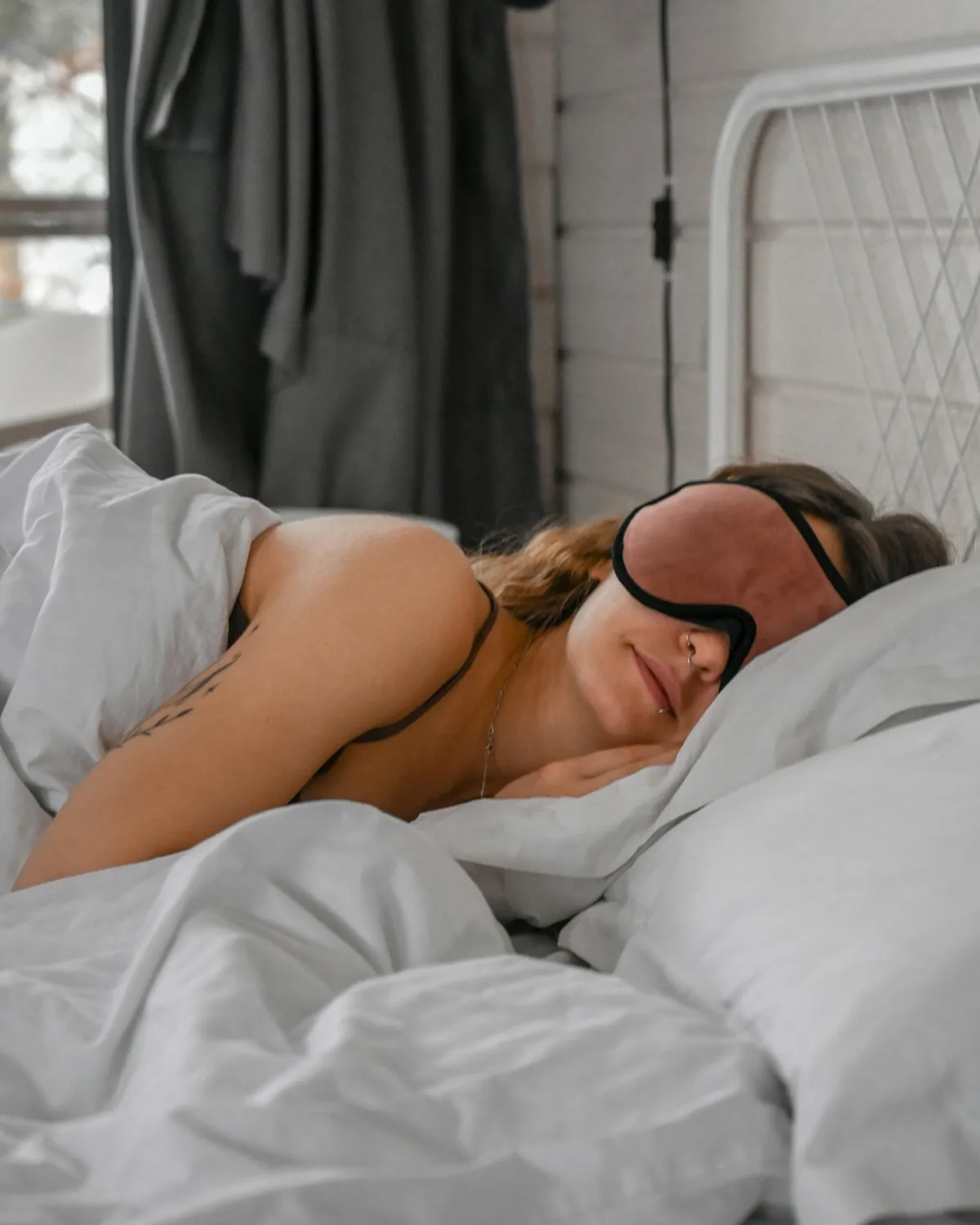
Does Sleep Affect Gut Health? How Sleep and Digestion Are Connected
Does Sleep Affect Gut Health? The Connection Between Circadian Rhythm and Digestion
Written by Kerri Rachelle, PhD(c), RDN, CSSD, FMP-AC
Founder & CEO, REV0lution | Doctor of Integrative & Natural Medicine Candidate
Quick Answer
Sleep and circadian timing influence digestive movement, appetite, glucose regulation and gut symptoms. Digestive discomfort can also interrupt sleep, creating a cycle that works in both directions.
Key Takeaways
The digestive tract follows daily rhythms that influence motility, secretion, appetite and bowel activity.
Sleep, stress physiology and the HPA axis influence one another and may affect digestive sensitivity and function.
Persistent sleep disruption may influence immune and intestinal-barrier function, but one bad night does not “damage the gut.”
Gut microbes display daily patterns, although research has not established one universal healthy microbial rhythm.
Persistent sleep or digestive symptoms deserve evaluation rather than being blamed entirely on stress, poor gut health or an imperfect schedule.
Does Sleep Affect Gut Health?
Sleep is not a time when the digestive system simply shuts down. The brain, digestive tract, liver, pancreas, immune system and intestinal microorganisms continue communicating throughout the night.
Sleep quality, duration and circadian timing may influence gastrointestinal motility, appetite regulation, glucose metabolism, pain perception, immune signaling and the timing of bowel activity. At the same time, reflux, abdominal pain, diarrhea, constipation, nausea and bloating may make it harder to fall asleep or remain asleep.
This relationship is bidirectional. Poor sleep may aggravate digestive symptoms, and digestive symptoms may further disrupt sleep.
What Is a Circadian Rhythm?
Circadian rhythms are approximately 24-hour patterns that help coordinate sleep, wakefulness, hormone release, body temperature, appetite, digestion and many other physiological processes.
The primary circadian clock in the brain responds strongly to light and darkness. The digestive tract, liver, pancreas and other tissues also contain peripheral clocks influenced by food intake, activity, hormones and sleep timing.
These systems function most predictably when environmental signals are reasonably aligned. Light exposure during the day, darkness at night, regular sleep and relatively consistent eating patterns help the body anticipate when it needs to be alert, digest food, move waste and rest.
Life does not always follow a perfect schedule. Shift work, parenting, travel, illness and hormonal symptoms can interrupt these rhythms. The purpose of understanding circadian biology is to identify supportive patterns—not to make people feel guilty when their schedules cannot be ideal.
Does the Digestive Tract Follow a Daily Rhythm?
Yes. Gastrointestinal activity changes throughout the day and night.
Colon movement is generally quieter during sleep and becomes more active after waking and following meals. This helps explain why many people naturally have a bowel movement in the morning or after breakfast.
Stomach emptying, intestinal movement, digestive secretions, appetite hormones and glucose responses may also vary according to the time of day. These rhythms are influenced by sleep, light exposure, meal timing, physical activity and individual health.
A disrupted schedule does not guarantee digestive disease. It may, however, make symptoms more noticeable in someone already susceptible to reflux, constipation, diarrhea or a disorder of gut-brain interaction.
Do Gut Microbes Have Daily Rhythms?
Some intestinal microorganisms and microbial functions appear to fluctuate across the day. These patterns are shaped by when the host eats, sleeps and moves, as well as by the intestinal environment.
That does not mean every bacterial species contains its own clock or that everyone should have the same microbiome pattern. The human microbiome differs substantially among individuals, and microbial measurements can change according to diet, medication, geography, stool-transit time and even when a sample is collected.
A 2026 systematic review of 41 human studies found possible relationships between sleep disruption, circadian misalignment and microbial composition or function. Findings for microbial diversity were mixed, and many studies were small or observational. The review supports a relationship while also demonstrating how much remains unresolved.
The appropriate conclusion is that sleep and circadian rhythm may influence the intestinal ecosystem. Current human evidence cannot tell us that one sleep pattern produces one ideal microbiome—or that every measured change represents disease.
Can One Bad Night Damage the Gut Microbiome?
One short or restless night may change appetite, energy, glucose regulation, food choices and digestive comfort the following day. That is different from proving lasting microbiome damage.
Small experimental studies may detect changes after acute sleep disruption, but a measurable change is not automatically permanent, harmful or clinically meaningful. Many microbial findings come from animal research, small human samples or studies that cannot completely separate sleep from accompanying changes in food intake and activity.
Repeated sleep restriction or ongoing circadian disruption is more concerning than one imperfect night. Even then, sleep remains only one influence among many.
There is no reason to panic over one bad night, purchase a microbiome supplement or begin a restrictive diet. Return to supportive routines and pay attention to persistent patterns.
Does Poor Sleep Affect the Intestinal Barrier and Immune System?
Sleep and circadian signaling help coordinate immune activity, epithelial-cell renewal, mucus production and other processes involved in intestinal-barrier function. Animal studies frequently find that substantial sleep deprivation disrupts tight junctions, increases inflammation and impairs barrier integrity.
Human findings are less consistent. In one controlled study, 19 healthy young men slept only two hours per night for three nights. Microbial richness declined, but investigators did not detect an increase in intestinal permeability. This does not prove that sleep is irrelevant to the barrier. It shows that one short exposure in a small, highly specific population did not change the permeability measurements used. The controlled human study illustrates why animal findings should not be transferred directly to every person.
Obstructive sleep apnea has also been associated with higher biomarkers related to intestinal-barrier dysfunction, particularly as apnea and oxygen desaturation become more severe. Most of that evidence is observational and cannot prove that sleep apnea independently caused the barrier changes. The systematic review and meta-analysis included eight studies, seven of which were cross-sectional.
The responsible conclusion is that persistent sleep disruption, circadian misalignment, intermittent oxygen deprivation and the accompanying inflammatory stress may affect intestinal resilience in susceptible people.
One poor night does not destroy the intestinal lining, and no permeability supplement can compensate for untreated sleep apnea or chronically inadequate sleep.
How Can Poor Sleep Affect Digestive Symptoms?
Poor sleep may alter pain perception, autonomic nervous-system activity and the way the brain interprets signals arriving from the digestive tract. A normal degree of intestinal stretching may consequently feel more painful or distressing.
Studies involving people with irritable bowel syndrome have linked disrupted sleep with greater abdominal pain, gastrointestinal distress and poorer quality of life. Objective sleep measurements have not always produced the same conclusions as self-reported sleep, which reminds us that this relationship is complicated.
Sleep disruption may also influence reflux. Lying down reduces the help that gravity provides, while late large meals, alcohol and certain foods may make nighttime symptoms more likely in susceptible people.
Constipation, diarrhea and bloating may also vary with sleep, although these symptoms should not automatically be attributed to sleep deprivation. Motility disorders, infections, medications, thyroid dysfunction, pelvic-floor dysfunction, food intolerance and other conditions may produce similar complaints.
How Are Sleep, Stress and the HPA Axis Connected?
Sleep and the stress-response system continuously influence one another. The hypothalamic-pituitary-adrenal axis, or HPA axis, helps regulate cortisol across the day and coordinates the body’s response to physical and psychological demands.
Cortisol normally follows a daily rhythm, generally rising toward the morning and declining across the day. Inadequate sleep, irregular sleep timing and circadian misalignment may disturb that pattern or increase HPA-axis reactivity to stress.
A systematic review of human studies found that objectively or subjectively poorer sleep quality may heighten cortisol responsiveness during laboratory stress. Normal variations in sleep duration did not consistently produce the same effect, demonstrating that sleep duration, quality and stress responsiveness are related but not interchangeable. The HPA-axis review helps clarify that distinction.
HPA-axis and autonomic signals can influence gastrointestinal motility, secretion, blood flow, immune activity, permeability and pain perception. Poor sleep may therefore make an already-sensitive digestive system more reactive, while reflux, pain, diarrhea or other nighttime symptoms can create additional physiological stress and further disrupt sleep.
This does not mean every case of bloating, insomnia or fatigue results from high cortisol or “adrenal fatigue.” A single cortisol measurement cannot explain the entire relationship.
Sleep, stress and digestion should be evaluated together without allowing one mechanism to become the explanation for everything.
Can Digestive Symptoms Disrupt Sleep?
Absolutely. Reflux can cause coughing, burning or regurgitation. Abdominal pain and bloating can make it difficult to find a comfortable position. Diarrhea may cause nighttime urgency, while constipation may create pressure or discomfort.
Nighttime symptoms are clinically important. Diarrhea that regularly wakes someone from sleep, persistent vomiting, difficulty swallowing, gastrointestinal bleeding, unexplained weight loss or severe pain should not be dismissed as stress or a sensitive stomach.
Sleep difficulties may also have causes outside the digestive system. Sleep apnea, restless legs syndrome, medication effects, anxiety, pain, night sweats and hormonal changes can all contribute.
Women experiencing sleep disruption during the menopause transition may also find our guide to perimenopause insomnia helpful.
How Does Sleep Affect Appetite and Glucose Regulation?
Insufficient sleep may increase hunger, change food preferences and make highly rewarding foods more appealing. It may also reduce insulin sensitivity temporarily, particularly when sleep restriction is repeated.
These changes do not mean one poor night causes insulin resistance. They help explain why chronic sleep disruption can make eating patterns and glucose regulation more difficult.
Sleep is therefore part of metabolic health, alongside nutrition, movement, muscle, medication, stress and individual physiology. Treating food choices while ignoring chronically inadequate sleep leaves an important part of the picture unaddressed.
The opposite is also true: protecting sleep cannot compensate for a diet built primarily from refined, artificially sweetened or ultra-processed products. Both foundations matter.
Does Meal Timing Affect Circadian Rhythm and Digestion?
Food intake serves as a timing signal for peripheral clocks in the digestive system, liver and other tissues. A reasonably predictable meal pattern may help reinforce daily rhythm, while eating at dramatically different times each day can make those signals less consistent.
This does not establish one required eating window. Some people do well with three meals. Others require a snack because of training, pregnancy, medication, appetite, work demands or difficulty consuming enough food at meals.
Large meals immediately before lying down can aggravate reflux or discomfort for some people. In that situation, an earlier dinner or smaller evening meal may help. Someone who is genuinely hungry at night may need to examine whether earlier meals contained enough protein, fiber, carbohydrate and total nourishment.
Meal timing deserves context. It should not become another reason to under-eat or force an intermittent-fasting schedule that does not support the person’s health.
What Can Shift Workers Do to Support Digestion and Sleep?
Shift work creates a real physiological challenge because work, light exposure, sleep and food intake may occur at times that conflict with the body’s typical rhythm.
The solution cannot simply be “have a consistent bedtime” when someone’s job makes that impossible.
A realistic plan may include protecting a dependable sleep opportunity, controlling light and noise in the sleep environment, planning balanced meals before the shift and avoiding constant reliance on vending-machine snacks, energy drinks or heavily processed convenience foods.
Some consistency within the available schedule may be useful, even when the schedule differs from a conventional daytime routine. Individual symptoms, medications and occupational demands should guide the plan.
Shift workers experiencing severe sleepiness, impaired alertness while driving or persistent digestive symptoms deserve appropriate medical and nutritional support—not judgment for having a schedule their job requires.
What Habits May Support Both Sleep and Digestion?
Begin with the foundations: allow enough time for sleep, seek morning or appropriately timed early-shift light exposure when practical, move regularly, eat adequately and construct meals from meaningful protein, plants, whole-food carbohydrates and naturally occurring fats.
Keep evening meals appropriate to your hunger and digestive tolerance. If reflux is a concern, notice whether large meals, alcohol, high-fat meals or eating immediately before lying down worsen symptoms.
Caffeine may also interfere with sleep when consumed too late for the individual, even if falling asleep initially does not feel difficult. Its effects and clearance vary considerably among people.
Create a sleep environment that is dark, quiet and appropriately cool when possible. A predictable transition into sleep may also help the brain distinguish between ongoing activity and the beginning of a protected sleep period.
Avoid turning sleep support into a cabinet of supplements. Persistent insomnia, loud snoring, breathing pauses, severe daytime sleepiness or falling asleep while driving requires medical attention. No supplement routine should delay that evaluation.
When Should Sleep or Digestive Symptoms Be Evaluated?
Speak with a qualified healthcare professional when symptoms are persistent, worsening or interfering with daily life.
Prompt evaluation is particularly important for:
Blood in the stool or black stool
Unexplained weight loss
Persistent vomiting
Difficulty or pain with swallowing
Severe or localized abdominal pain
Diarrhea that regularly wakes you
New digestive symptoms accompanied by fever or anemia
Loud snoring or witnessed breathing pauses
Severe daytime sleepiness
Falling asleep while driving or during other dangerous activities
Falling asleep while driving should never be treated as ordinary tiredness. Stop driving and seek prompt medical evaluation.
What Is the Bottom Line?
Sleep, circadian rhythm and digestion are connected, but the relationship cannot be reduced to a single microbe, cortisol value, bedtime or eating window.
Protecting sleep may improve appetite, energy, stress regulation and digestive comfort. Regular nourishment and appropriate meal timing may also make sleep easier. Persistent sleep disruption may affect immune and barrier resilience, particularly when combined with circadian misalignment, sleep apnea or other physiological stress.
When symptoms persist, the next step is thoughtful evaluation—not assuming that poor sleep has destroyed the microbiome or purchasing a protocol based on that fear.
Medical Disclaimer: This article is for general educational and informational purposes only and does not provide individualized medical or nutrition advice. It is not intended to diagnose, treat, cure, or prevent disease or replace care from a qualified healthcare professional. Do not change your medications, supplements, diet, fasting schedule, or healthcare plan based solely on this content. [Read the full Medical Disclaimer and Terms & Conditions.]
Frequently Asked Questions
Can poor sleep cause bloating?
Poor sleep may increase digestive sensitivity, alter eating behavior or influence motility, making bloating feel worse. Bloating has many possible contributors, so sleep should not be assumed to be the sole cause.
Can poor sleep cause leaky gut?
Persistent sleep disruption may influence immune signaling and intestinal-barrier function, but human findings are not uniform. One controlled study of severe short-term sleep restriction did not detect increased permeability in healthy young men. Poor sleep should be addressed without claiming that every restless night causes leaky gut.
Does sleeping late harm the gut microbiome?
Sleeping late does not automatically harm the microbiome. Greater concern arises when sleep is chronically inadequate or someone’s sleep, light, activity and eating schedules are repeatedly misaligned.
Can improving sleep cure IBS?
Sleep support may reduce symptom burden for some people, but IBS is multifactorial. Improving sleep should be part of individualized care rather than presented as a guaranteed cure.
Does eating late at night damage gut health?
Eating late is not inherently damaging. Large meals close to bedtime may worsen reflux, fullness or sleep for some people, while shift workers may need to eat at unconventional times. Meal quality, quantity, timing and individual response all matter.
Should I fast overnight to support digestive rest?
A natural overnight break from eating may fit many people’s schedules, but a rigid fasting window is not required for gut health. Eat when genuine hunger, medical needs, medication timing or training demands indicate that food is appropriate.
Does high cortisol cause digestive problems?
HPA-axis and cortisol signaling can influence motility, immune activity, sensitivity and other aspects of digestion. One cortisol result cannot prove that cortisol caused someone’s symptoms, and digestive concerns should not automatically be attributed to high cortisol or adrenal fatigue.
Can a probiotic improve sleep?
Clinical evidence has not established that probiotic or prebiotic supplementation reliably improves sleep. Specific products should not replace assessment of insomnia, sleep apnea, nighttime symptoms or an inadequate sleep opportunity.
Does the microbiome control sleep?
The microbiome may participate in gut-brain and circadian communication, but it is one part of a much larger system. Light exposure, behavior, stress, hormones, health conditions and the nervous system also regulate sleep.
References
Olson M, Withrow D, Koelbel M, et al. What Is the Nature of Sleep and Circadian Rhythm Health on Gastrointestinal Microbiota? A Systematic Review of Studies in Humans. Sleep Med Rev. 2026;86:102256. PMID: 41724023.
Orr WC, Fass R, Sundaram SS, Scheimann AO. The Effect of Sleep on Gastrointestinal Functioning in Common Digestive Diseases. Lancet Gastroenterol Hepatol. 2020;5(6):616–624. PMID: 32416862.
Duboc H, Coffin B, Siproudhis L. Disruption of Circadian Rhythms and Gut Motility: An Overview of Underlying Mechanisms and Associated Pathologies. J Clin Gastroenterol. 2020;54(5). PMID: 32134798.
Karl JP, Whitney CC, Wilson MA, et al. Severe, Short-Term Sleep Restriction Reduces Gut Microbiota Community Richness but Does Not Alter Intestinal Permeability in Healthy Young Men. Sci Rep. 2023;13(1):213. PMID: 36604516.
van Dalfsen JH, Markus CR. The Influence of Sleep on Human Hypothalamic-Pituitary-Adrenal Axis Reactivity: A Systematic Review. Sleep Med Rev. 2018;39:187–194. PMID: 29126903.
Mashaqi S, Rangan P, Saleh AA, et al. Biomarkers of Gut Barrier Dysfunction in Obstructive Sleep Apnea: A Systematic Review and Meta-Analysis. Sleep Med Rev. 2023;69:101774. PMID: 37028145.
Tu Q, Heitkemper MM, Jarrett ME, Buchanan DT. Sleep Disturbances in Irritable Bowel Syndrome: A Systematic Review. Neurogastroenterol Motil. 2017;29(3):e12946. PMID: 27683238.
Patel A, Hasak S, Cassell B, et al. Effects of Disturbed Sleep on Gastrointestinal and Somatic Pain Symptoms in Irritable Bowel Syndrome. Aliment Pharmacol Ther. 2016;44(3):246–258. PMID: 27240555.
Wang B, Duan R, Duan L. Prevalence of Sleep Disorder in Irritable Bowel Syndrome: A Systematic Review With Meta-Analysis. Saudi J Gastroenterol. 2018;24(3):141–150. PMID: 29652034.
Gil-Hernández E, et al. Effect of Gut Microbiota Modulation on Sleep: A Systematic Review and Meta-Analysis of Clinical Trials. Nutr Rev. 2023. PMID: 37023468.